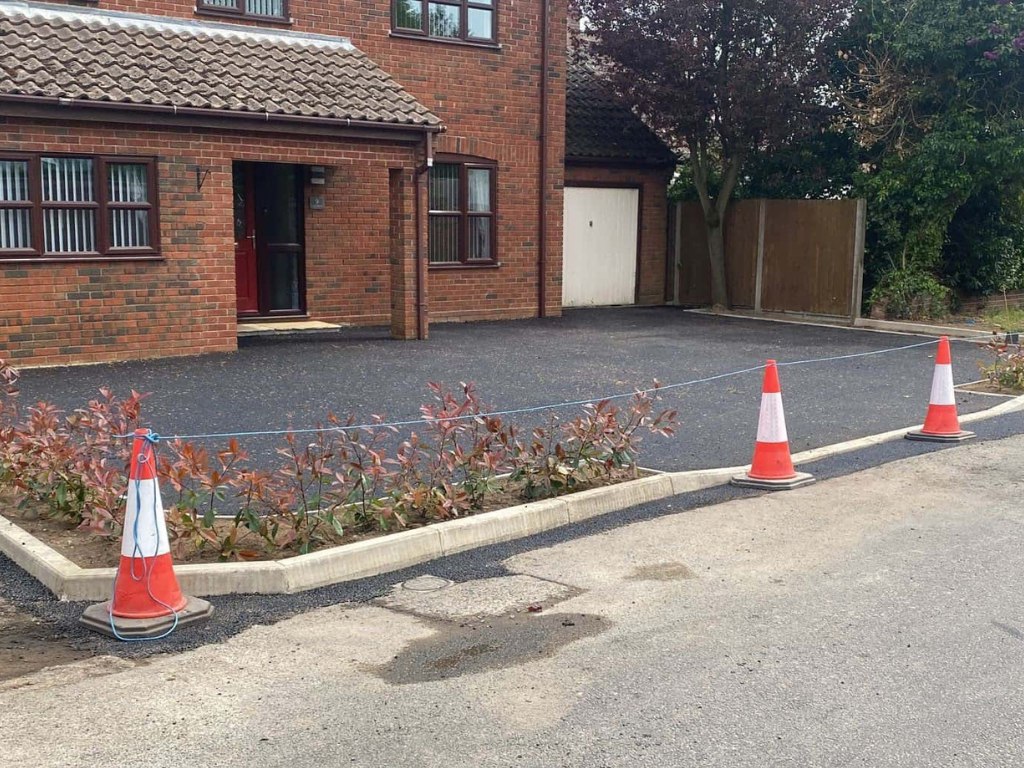
Tarmac Driveways: Benefits, Costs and Key Considerations for Homeowners
A well-designed driveway can make everyday access to a property more convenient while providing a practical surface for vehicles. Tarmac is a popular option for driveways because it can provide a smooth, durable surface that is suitable for regular use and relatively straightforward to maintain.
For homeowners in Histon, Cambridgeshire, choosing the right driveway material involves considering the property’s ground conditions, drainage, intended use and overall appearance. Understanding what a tarmac driveway involves can help you decide whether it is suitable for your home.
What Is a Tarmac Driveway?
Tarmac driveways are constructed using a bituminous material laid over a properly prepared foundation. The visible surface is only one part of the driveway structure; the layers underneath provide much of the support and stability.
A typical installation involves preparing the existing ground, establishing a suitable sub-base, considering drainage and laying and compacting the tarmac to create an even surface.
The exact construction method depends on the condition of the site and how the driveway will be used.
Benefits of Tarmac Driveways
One of the main advantages of tarmac is its ability to provide a practical surface for everyday vehicle traffic. When correctly installed over a suitable foundation, it can withstand regular use while maintaining a relatively smooth finish.
Other benefits include:
- A clean and uniform appearance
- A smooth surface for vehicles
- Good resistance to regular traffic
- Straightforward routine maintenance
- Flexibility compared with some more rigid paving materials
- Suitability for a range of driveway layouts
Tarmac can also be combined with suitable edging or other features to create a more defined finish around the driveway.
How Much Does a Tarmac Driveway Cost?
The overall cost of a tarmac driveway depends on the individual project rather than simply the size of the surface.
Factors that can affect the total cost include the condition of the existing ground, the amount of excavation required, sub-base preparation, drainage requirements, driveway dimensions, access to the site and the materials needed.
A professional site assessment is therefore useful when determining the work involved. This allows the contractor to identify preparation requirements rather than providing an estimate based solely on surface area.
Ground Preparation Is Important
The quality of a tarmac driveway depends heavily on the foundation beneath it. If unsuitable or unstable ground is left underneath the surface, settlement and other problems may develop.
During preparation, unsuitable material may need to be removed and replaced with an appropriate sub-base. The foundation should then be compacted properly before the tarmac is installed.
Good preparation helps distribute vehicle loads and provides a more stable surface for the finished driveway.
Drainage and Driveway Design
Rainwater needs to be directed away from the driveway effectively. Poor drainage can allow water to collect on the surface or reach the underlying layers, potentially contributing to deterioration.
The driveway should therefore be designed with appropriate falls and drainage arrangements. Connections with existing paths, roads and other surfaces should also be considered.
Drainage requirements will vary between properties, so they should be assessed as part of the driveway design rather than treated as an afterthought.
Tarmac Driveway Maintenance
Tarmac is relatively straightforward to maintain, but routine care can help preserve its condition.
Keep the surface reasonably clear of leaves, dirt and other debris, and pay attention to drainage areas. Cracks, potholes or damaged edges should be assessed rather than ignored, particularly if they appear to be worsening.
It is also useful to monitor areas where water repeatedly collects, as persistent standing water may indicate an underlying drainage or surface issue.
How Long Can a Tarmac Driveway Last?
The lifespan of a tarmac driveway depends on factors including installation quality, ground conditions, drainage, traffic levels and ongoing maintenance.
A properly prepared foundation and suitable drainage can help support long-term performance. Conversely, movement beneath the surface or persistent water problems can contribute to premature deterioration.
This is why professional installation should consider the complete driveway structure rather than focusing solely on the visible tarmac layer.
Choosing a Tarmac Driveway in Histon
For homeowners in Histon, Cambridgeshire, the suitability of a tarmac driveway will depend on the property and its specific requirements.
At Histon Driveways, we consider factors such as site preparation, drainage, access and intended use when planning driveway work. This helps ensure that the proposed surface is appropriate for the property rather than relying on a standard approach for every installation.
Conclusion
Tarmac driveways can provide a practical, smooth and durable surface for homeowners when they are properly designed and installed. However, the finished surface is only as reliable as the foundation beneath it, making ground preparation, drainage and correct installation important considerations.
If you are considering a tarmac driveway in Histon, Cambridgeshire, Histon Driveways can assess your property and discuss the most suitable approach for your requirements. Contact us to arrange an assessment and discuss your driveway project.
Call us on: 01223 857 079
Click here to find out more about Histon Driveways
Click here to complete our contact form and see how we can help with your driveway needs.